
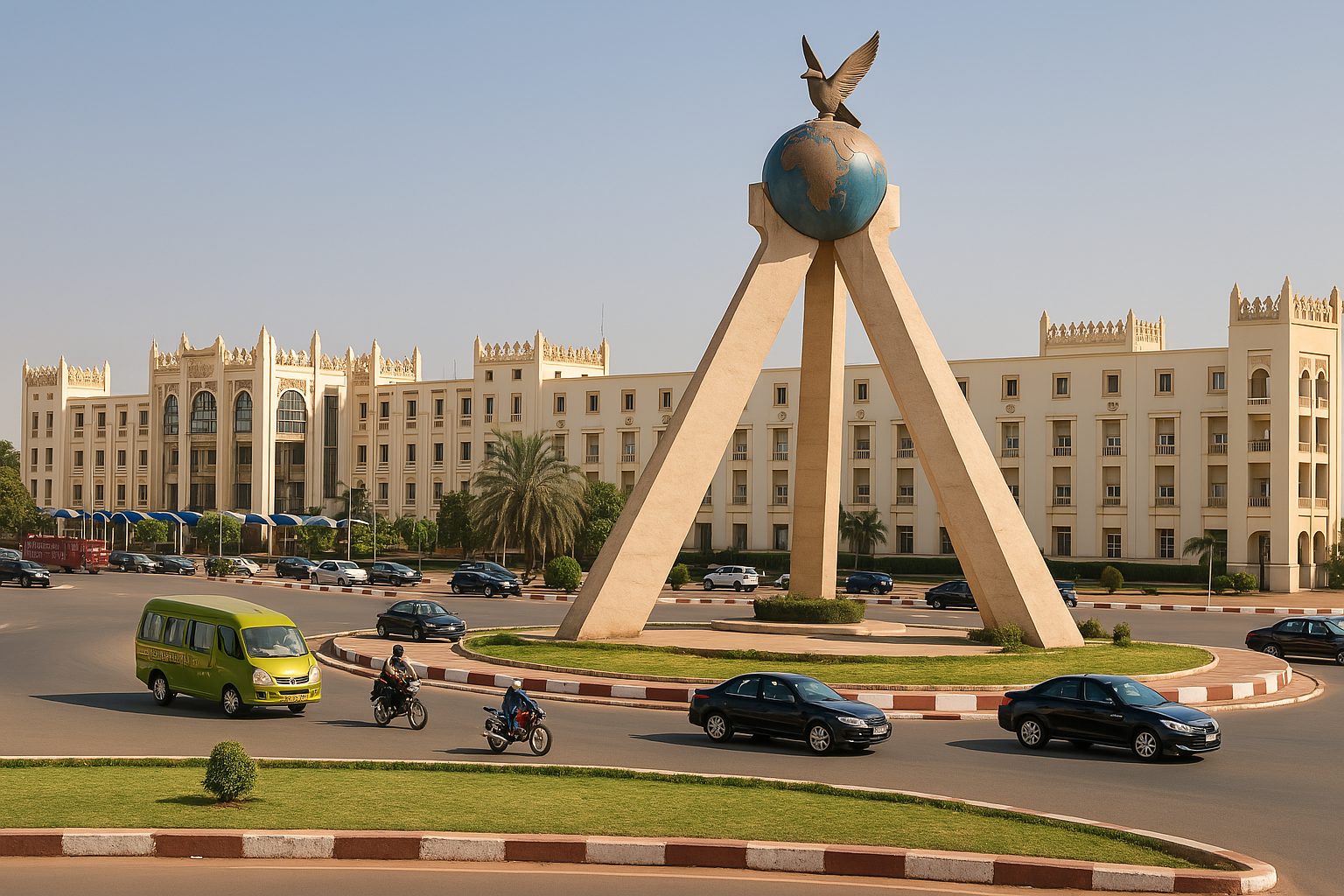
Bamako
Bamako, the capital and largest city of Mali, has experienced rapid growth over recent decades. As of 2025, its population is estimated at approximately 3.18 million, a significant increase from 1.8 million in 2009. Located in the southwestern part of the country along the Niger River, near the rapids that separate the upper and middle Niger valleys, Bamako serves as Mali’s administrative and economic center.
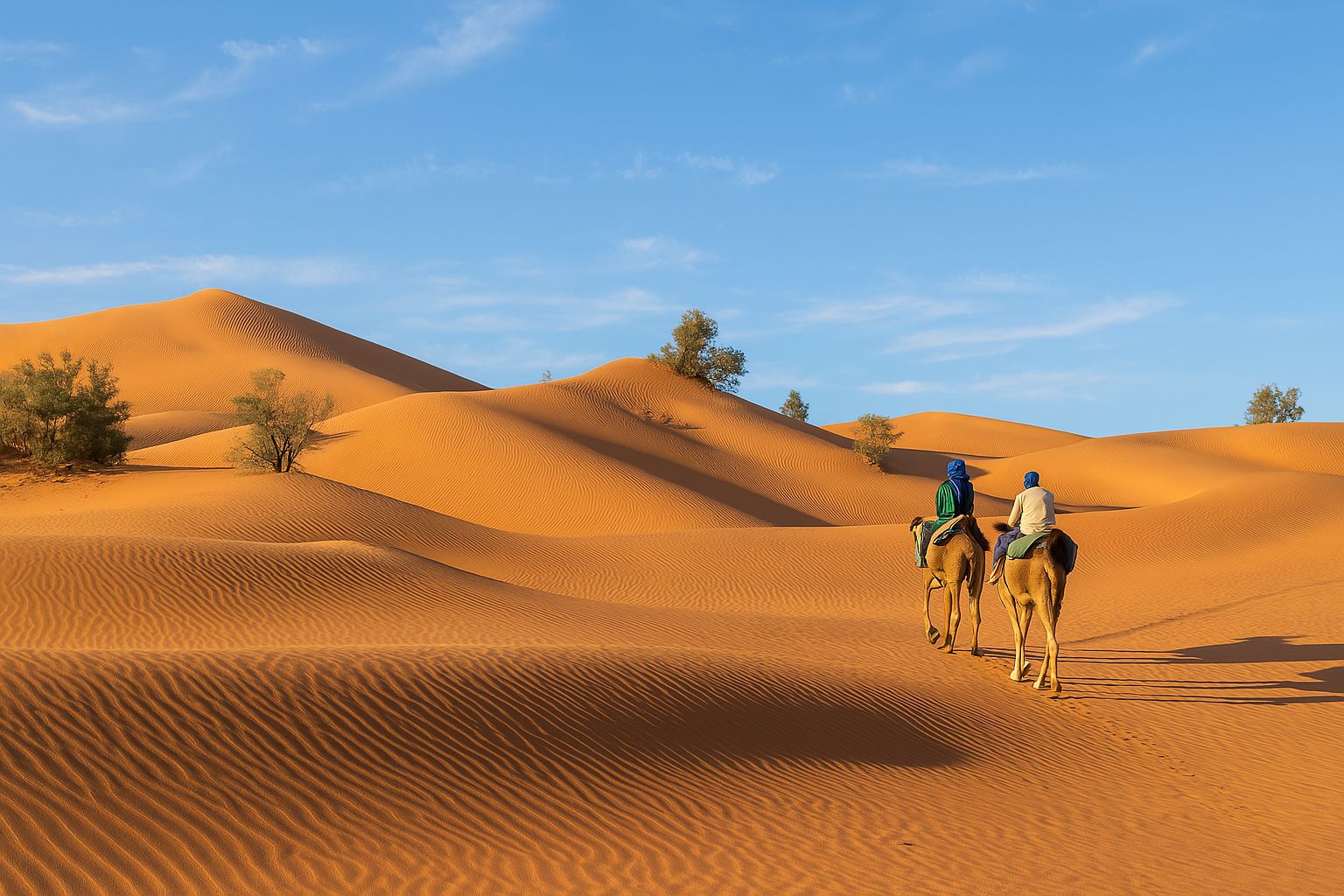
Timbuktu
In the 13th century, Timbuktu flourished as a key trading center for salt and gold, contributing to the prosperity of the Mali and Songhai empires. Its decline began in the late 16th century due to shifting trade routes and invasions. Today, desertification in the surrounding region has placed Timbuktu on UNESCO’s List of World Heritage in Danger. Despite these challenges, Timbuktu remains a popular destination for foreign tourists, especially from Europe, the Americas, Asia, and the Middle East.
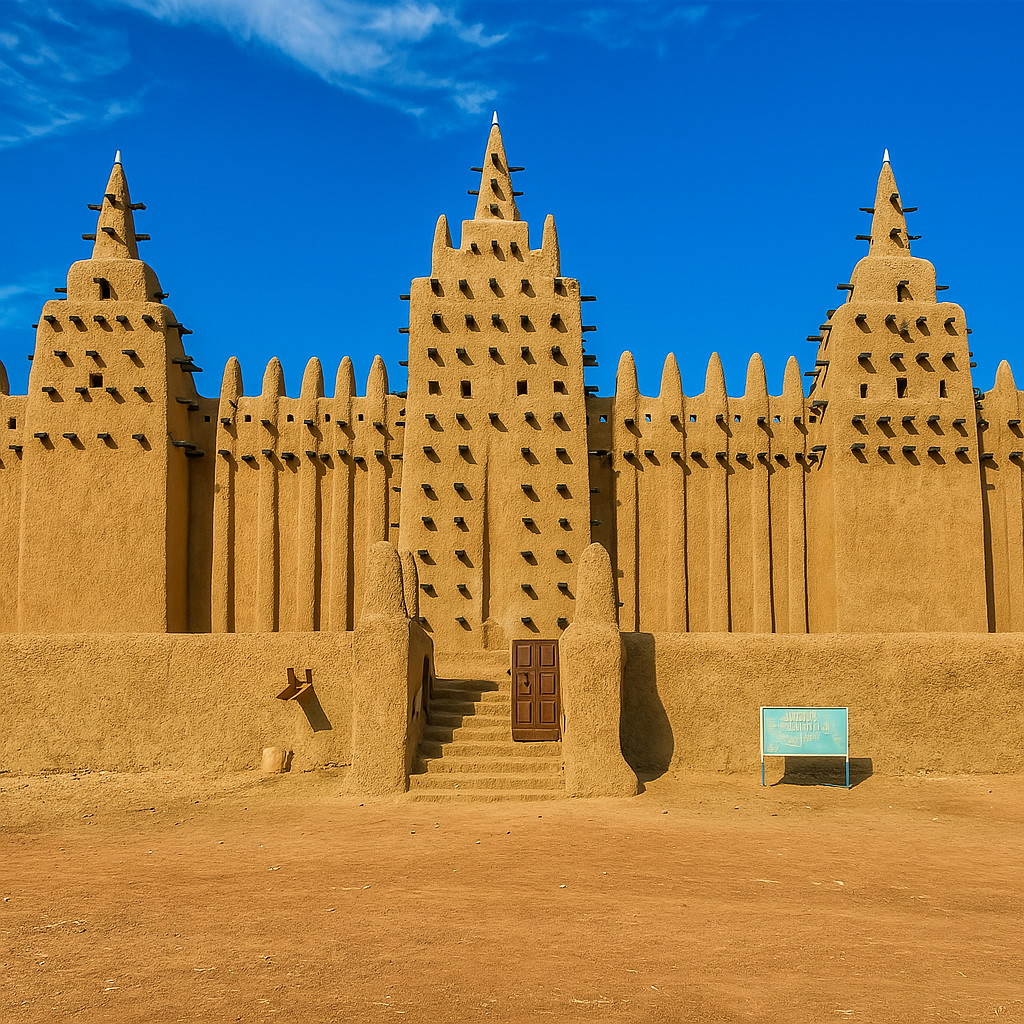
Djenné
Djenné, often referred to as Timbuktu’s twin sister, has been a center of trade, learning, and religion since the 13th century. It developed as a key distribution point for everyday goods such as rice and corn and also became known for its contributions to art and scholarship. At the heart of the old city stands the iconic Great Mosque of Djenné, a stunning example of Sudanese-style architecture. Historically, society in Djenné was organized around this mosque, and to this day, the region remains known for its strong Islamic faith and intellectual traditions.
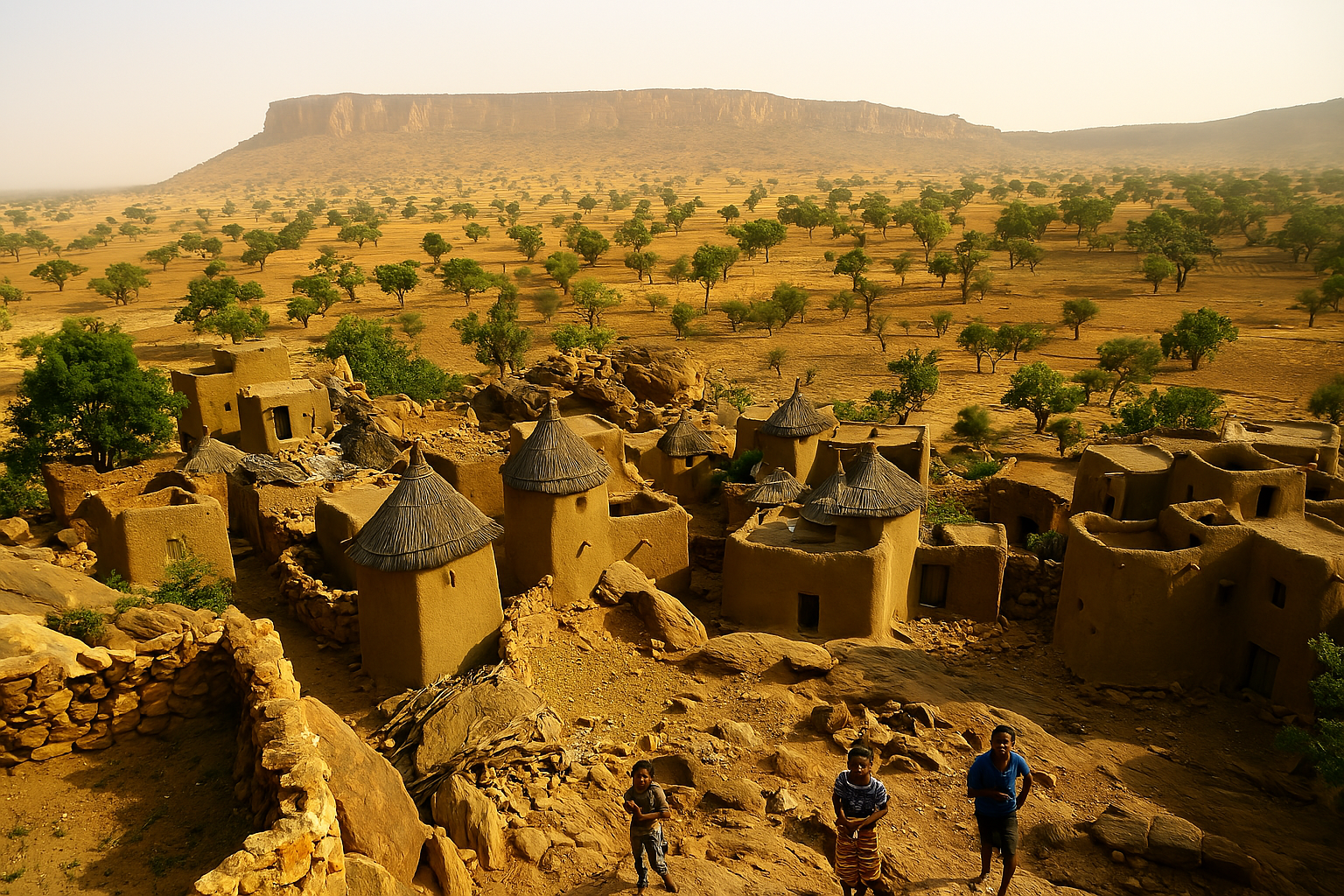
Bandiagara (Dogon)
The Dogon people live in villages along a 200 km-long escarpment, with settlements traditionally built in shapes that reflect human figures, their heads symbolically facing north, as described in Dogon mythology. Their famous mask dances are deeply rooted in this mythology and cultural tradition. In recent years, Dogon culture has faced growing threats, particularly from severe droughts affecting the Sahara region.
 Massok English Immersion School